
Dish
1832–38
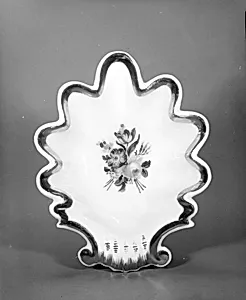
Medium
Porcelain
Dimensions
6 1/16 x 4 3/4 in. (15.4 x 12.1 cm)
Classification
Dish
Culture
American
Department
The American Wing
Museum
Metropolitan Museum of Art, New York, NY
Credit
Gift of Mrs. Laurence Eyre, 1958
Accession Number
58.124.4
Rights
Public Domain
Tags
Art Historical Context
This delicate porcelain dish, crafted by Tucker and Hemph between 1832 and 1838, exemplifies early American efforts to rival European ceramics. Produced at the Tucker China factory in Philadelphia—the first successful porcelain manufactory in the United States—the piece measures a modest 6 1/16 x 4 3/4 inches, for serving sweets or condiments in a refined household. Its presence in The American Wing of the Metropolitan Museum of, gifted by Mrs. Laurence Eyre 1958, underscores role in showcasing domestic artistry from the young republic. Tucker porcelain, known for its hard-paste body imitating prestigious Chinese export and French Sèvres wares, marked a bold step toward industrial independence. William Ellis Tucker and partner Judge Joseph Hemphill oversaw production during a brief but innovative era, employing skilled decorators to hand-paint intricate floral motifs—a tag highlighting this dish's blooming designs, likely inspired by nature's abundance. These flowers not only added aesthetic charm but symbolized prosperity and gentility in Jacksonian America. As a functional yet ornamental object, the dish reflects the era's growing middle-class aspirations for luxury goods made at home, bridging utility and fine art in American decorative traditions.