
Dish
Unknown Artist
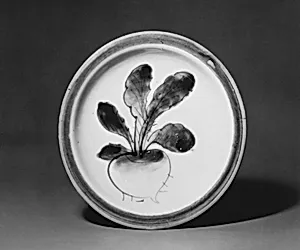
Medium
Porcelain with underglaze blue (Hizen ware)
Dimensions
H. 1 in. (2.5 cm); Diam. 5 1/2 in. (14 cm)
Classification
Ceramics
Culture & Period
Japan · early Edo period (1615–1868)
Department
Asian Art
Museum
Metropolitan Museum of Art, New York, NY
Credit
The Harry G. C. Packard Collection of Asian Art, Gift of Harry G. C. Packard, and Purchase, Fletcher, Rogers, Harris Brisbane Dick, and Louis V. Bell Funds, Joseph Pulitzer Bequest, and The Annenberg Fund Inc. Gift, 1975
Accession Number
1975.268.515
Rights
Public Domain
Art Historical Context
This delicate porcelain dish, crafted in the Hizen ware tradition of Japan during the early Edo (1615–1868), exemplifies the refined ceramics produced in the kilns of Arita in Nagasaki Prefecture. Measuring just 1 inch high and 5½ inches in diameter, its modest scale suggests it was designed for intimate use, perhaps in tea ceremonies or as a serving vessel for sweets and confections. The use of underglaze blue technique where cobalt pigment is applied beneath a clear glaze before firing—created vibrant, durable designs that resisted wear, a hallmark of Hizen porcelain's technical mastery. Hizen ware marked a pivotal moment in Japanese ceramics, as potters adapted Chinese blue-and-white porcelain methods to local tastes after porcelain production began in Japan around 1616. This innovation fueled domestic luxury and international trade, with pieces exported to Europe via Dutch traders. Though the artist's identity and precise date remain unknown, the dish's crisp form and subtle elegance reflect the period's emphasis on harmony and restraint, embodying Edo Japan's cultural flourishing amid isolationist policies. Generously gifted to the Metropolitan Museum of Art through The Harry G. C. Packard Collection, this dish invites visitors to appreciate the quiet sophistication of everyday artistry in feudal Japan.