
Drachm
Unknown Artist
ca. 399–420 CE
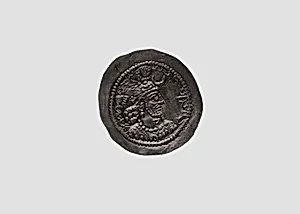
Medium
Silver
Dimensions
Thickness 0.13 cm., Diameter 2.7 cm
Classification
Metalwork-Coins-Inscribed
Culture & Period
Sasanian · Sasanian
Department
Ancient Near Eastern Art
Museum
Metropolitan Museum of Art, New York, NY
Credit
Bequest of Joseph H. Durkee, 1898
Accession Number
99.35.2966
Rights
Public Domain
Tags
About this artwork
This silver work by Unknown Artist, titled 'Drachm' and created ca. 399–420 CE, represents an important example of artistic production from this period. Unknown Artist's practice contributed to the broader artistic traditions of the time, demonstrating the technical skills and aesthetic sensibilities characteristic of Ancient Near Eastern Art artworks in museum collections. The piece reflects the cultural and artistic values of its era, serving as a document of historical visual culture. Further...
Art Historical Context
This exquisite silver drachm, minted around 399–420 CE during the Sian Empire, exemplifies the coinage of ancient Persia (modern-day). As a standard unit of currency in the vast Sasanian realm—which stretched from Mesopotamia to India—these coins were not just economic tools but powerful symbols of royal authority. Measuring just 2.7 cm in diameter and 0. cm thick, its delicate craftsmanship highlights the era's mastery of metalworking, with finely struck designs likely featuring a king's profile on the obverse, evoking the tags of male figures in profile. Sasanian drachms were inscribed and often depicted Zoroastrian motifs, such as a fire altar on the reverse, underscoring the empire's religious devotion and imperial propaganda. Produced under rulers like Yazdegerd I, they circulated widely, blending artistic elegance with practical function and reflecting the cultural zenith of the Ancient Near East. The precision of the silver striking technique ensured durability for trade across Silk Road routes. Bequeathed to the Metropolitan Museum of Art in 1898 by Joseph H. Durkee, this coin preserves a tangible link to Sasanian visual culture, inviting visitors to ponder the faces and faiths of a bygone empire.