
Drinking cup
Unknown Artist
1st millennium BCE
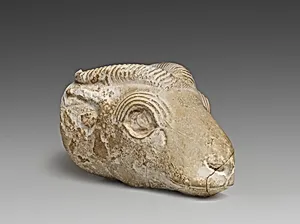
Medium
Limestone
Dimensions
5.37 in. (13.64 cm)
Classification
Stone-Vessels
Department
Ancient Near Eastern Art
Museum
Metropolitan Museum of Art, New York, NY
Credit
Rogers Fund, 1949
Accession Number
49.100
Rights
Public Domain
Tags
Art Historical Context
This delicate limestone drinking cup, crafted by an unknown artist in the1st millennium BCE,ails from the Ancient Near East—a cradle of early civilizations like Mesopotamia and the Levant. Measuring just 5.37 inches tall, it's a fine example of a stone vessel, a practical yet prestigious object used in daily rituals or elite banquets. Limestone was prized for its workability and durability, allowing artisans to carve intricate details that outlasted fragile ceramics. The cup's classification as a stone vessel underscores its cultural role: in ancient societies, such items symbolized status and were often adorned with animal motifs, as suggested by its tags. These carvings likely drew from the region's rich iconography, where animals represented power, fertility, or divine forces—think lions for strength or birds for the heavens. Techniques involved careful chiseling and polishing, revealing the stone's natural veining for aesthetic effect. Acquired through the Rogers Fund in 1949, this cup now graces the Metropolitan Museum of Art's Ancient Near Eastern collection, offering a tangible link to Iron Age life. Imagine sipping from it during a communal feast— a reminder of how everyday objects carried profound symbolic weight in antiquity.