
Duck amulet
Unknown Artist
200 BC–200 AD
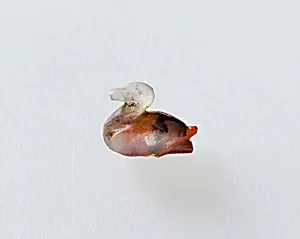
Medium
Agate
Dimensions
L. 1 × W. 0.6 × H. 0.8 cm (3/8 × 1/4 × 5/16 in.)
Classification
Amulet, duck
Period
Ptolemaic or Roman Period
Department
Egyptian Art
Museum
Metropolitan Museum of Art, New York, NY
Credit
Theodore M. Davis Collection, Bequest of Theodore M. Davis, 1915
Accession Number
30.8.360
Rights
Public Domain
Tags
Art Historical Context
This delicate Duck Amulet, carved from agate during Egypt's Ptolemaic or Period (200 BC–200 AD), the whimsy of ancient protective charms. Measuring just 1 cm long, this tiny masterpiece from the Metropolitan Museum of Art Egyptian Art collection was likely worn as a pendant or carried as a talisman. Agate, a durable semi-precious stone with its banded translucency, was for amulets due to its believed magical properties, allowing the duck form to gleam subtly in the light. Crafted in an era blending Egyptian traditions with Greek and Roman influences under Ptolemaic rulers and later imperial oversight, the amulet reflects everyday spirituality. Ducks, common motifs in Egyptian art, evoked themes of life and renewal, making such objects essential for warding off misfortune or invoking good fortune. Bequeathed by collector Theodore M. Davis in 1915, this unassuming gem highlights how even the smallest artifacts reveal profound cultural devotion. Visitors, imagine slipping it into your pocket for a touch of ancient magic!