
Edging
Unknown Artist
18th century
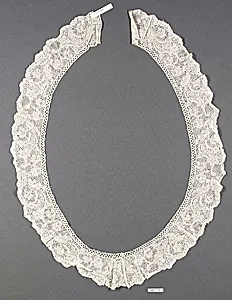
Medium
Linen, bobbin lace
Dimensions
L. 42 x W. 2 inches (106.7 x 5.1 cm)
Classification
Textiles-Laces
Culture
Flemish
Department
European Sculpture and Decorative Arts
Museum
Metropolitan Museum of Art, New York, NY
Credit
Gift of Mrs. Robert James Lewis, 1983
Accession Number
1983.370.2
Rights
Public Domain
Art Historical Context
This delicate linen bobbin lace edging, by an unknown Flemish artist in the 18 century, exemplifies the exquisite textile artistry of Flanders, a historic epicenter of European lace production. Measuring 42 inches long and just 2 inches wide, this narrow strip was likely designed as a decorative trim for garments, linens, or furnishings, adding elegance to everyday luxury items during the Rococo era's fondness for ornate details. Bobbin lace, the medium here, is a labor-intensive technique where threads wound on handheld bobbins are intricately twisted, plaited, and pinned into patterns on a pillow. Flemish lacemakers were renowned for their precision and innovation, often using fine linen for its durability and subtle sheen. This piece reflects the guild-regulated craftsmanship that made Flemish lace a coveted export, adorning nobility across Europe. Housed in the Metropolitan Museum of Art's Department of European Sculpture and Decorative Arts, this edging—generously gifted by Mrs. Robert James Lewis in 1983—invites us to appreciate the anonymous skill of artisans whose work defined opulent domestic life. Up close, its intricate motifs whisper stories of patience and cultural prestige.