
18/26
1625 - 1629
Medium
etching
Dimensions
82; 147; 121; 59
Rights
Public Domain
About this artwork
height 59 mm x width 82 mm
Art Historical Context
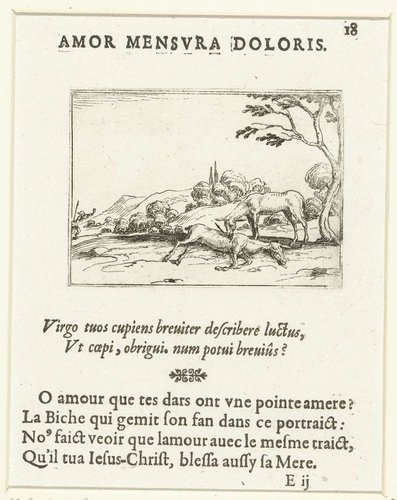
Jacques Callot's *18/26*, an etching from 1625–1629, exemplifies the master's prowess in miniature printmaking during the tumultuous era of the Thirty Years'. Measuring just 59 mm high by 82 mm wide, intimate work is the eighteenth plate in a series of 26, likely capturing vivid scenes from everyday life, beggars, or military strife—hallmarks of Callot's output. Working primarily in Lorraine, Callot served patrons like the Duke of Lorraine channeling the Baroque era's dramatic energy into intricate narratives that critiqued social hardships and human folly. As a pioneering etcher, Callot revolutionized the medium with his innovative use of multiple acid bites on the copper plate, achieving extraordinary fine lines and textures in these diminutive formats. This technique allowed for astonishing detail, making his prints both accessible (via reproduction) and profoundly influential, inspiring later artists like Rembrandt and Goya. *18/26* reflects the period's cultural shifts, blending realism with moral commentary amid war's devastation. Visitors will appreciate how Callot's tiny etchings pack epic storytelling, offering a window into 17th-century Europe's gritty underbelly—perfect for contemplation under a magnifying glass!
About the Artist
Jacques Callot · 1592–1635
Jacques Callot (1592–1635) was a French printmaker and draftsman from the Duchy of Lorraine, widely regarded as one of the first great artists to practice the graphic arts exclusively. His more than 1,400 etchings chronicled the breadth of 17th-century life, from Medici court festivities to the brutal realities of warfare. Callot revolutionized etching through technical innovations including the é...