
Elie Williams
Charles Willson Peale, 1789
About this artwork
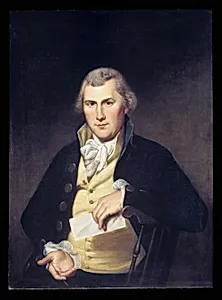
Charles Willson Peale's *Elie Williams* (1789) is a compelling portrait from the early years of the American Republic, capturing the poised likeness of its sitter in oil on canvas. Measuring 36¼ × 27⅜ inches, this work exemplifies Peale's mastery of the medium, which allowed for rich textures, subtle skin tones, and lifelike details that brought his subjects vividly to life. As a leading figure in American portraiture,ale painted prominent citizens during and after the Revolutionary War, blending European traditions with a distinctly national spirit. Created just a year after the U.S. Constitution's ratification, the painting reflects the era's optimism and emerging American identity. Peale, a polymath who was also a naturalist and museum founder, specialized in portraits that conveyed character, status, and Enlightenment ideals—often depicting men in formal attire against restrained backgrounds to emphasize dignity and intellect. Housed in The Met's American Wing, this gift from I. Austin Kelly III in 1967 highlights the cultural importance of early American art. *Elie Williams* invites visitors to ponder the everyday heroes of the new nation, showcasing Peale's enduring legacy in preserving their stories through paint.