
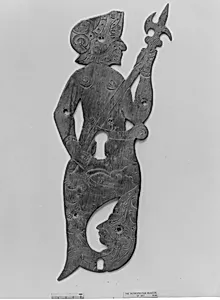
Escutcheon
Unknown Artist
17th century
Medium
Iron, tinned
Dimensions
Overall: 9 3/4 × 3 1/4 in. (24.8 × 8.3 cm)
Classification
Metalwork-Iron
Culture
German
Department
European Sculpture and Decorative Arts
Museum
Metropolitan Museum of Art, New York, NY
Credit
Gift of Henry G. Marquand, 1888
Accession Number
88.22.8
Rights
Public Domain
Tags
Art Historical Context
This 17th-century German escutcheon, crafted from tinned iron, exemplifies the exquisite metalwork of Europe's Baroque era. Measuring just 9¾ × 3¼ inches, it served as a decorative shield plate, likely for a door keyhole or hinge, blending functionality with artistry. Its surface features embossed human figures wielding axes—possibly symbolizing strength, guardianship, or mythical warriors—highlighting the era's fascination with dynamic, narrative motifs in everyday objects. Tinning, a technique coating iron with a thin layer of tin, not only prevented rust but lent the piece a bright, silvery sheen reminiscent of more precious metals, making it affordable yet elegant for homes or public buildings. German ironworkers of the time were renowned for their repoussé hammering, creating raised reliefs that added depth and drama. This anonymous masterpiece reflects the period's robust craftsmanship amid the Thirty Years' War's turmoil, where such durable, symbolic items offered both protection and prestige. A generous gift from Henry G. Marquand in 1888, it now graces the Metropolitan Museum of Art's European Sculpture and Decorative Arts collection, inviting visitors to appreciate how humble iron transformed into storytelling treasure.