
Field Kitchen Fire
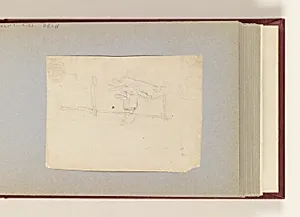
Medium
figures
Classification
figures
Department
Smithsonian Collection
Museum
Smithsonian American Art Museum
Credit
Gift of Charles Savage Homer, Jr.
Accession Number
1912-12-175-a
Rights
Public Domain
About this artwork
Research in Progress
Art Historical Context
Winslow Homer (1836–1910), one of America's foremost realist painters, created *Field Kitchen Fire* in 1862, amid the tumult of the Civil War. As a young artist and illustrator for *Harper's Weekly*, Homer embedded with Union troops, sketching the gritty realities of camp life. This work, classified as a study of figures, likely captures soldiers gathered around a makeshift fire in a field kitchen—a vital hub for sustenance amid the hardships of war. The title evokes the flickering warmth and camaraderie that sustained armies, offering a poignant glimpse into the human side of conflict. Homer's early career excelled in such on-the-spot drawings, which informed his later masterpieces in oil and watercolor. His unvarnished realism—marked by dynamic poses and atmospheric detail—elevated everyday scenes to symbols of resilience. Though the medium is noted simply as "figures," it reflects Homer's skill in rendering movement and emotion, techniques honed through commercial illustration before his rise as a fine artist. Now in the Smithsonian American Art Museum's Smithsonian Collection, this piece was generously gifted by Charles Savage Homer, Jr. With research ongoing, *Field Kitchen Fire* invites us to ponder the intimate stories behind the war's grand narratives, reminding visitors of art's power to preserve fleeting moments of history.