
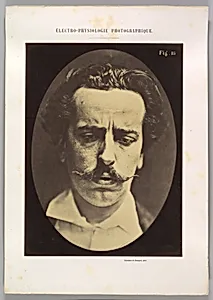
Figure 15: Mediation, mental concentration
1854–56, printed 1862
Medium
Albumen silver print from glass negative
Dimensions
Image (Oval): 28.3 × 20.3 cm (11 1/8 × 8 in.) Sheet: 29.9 × 22.1 cm (11 3/4 × 8 11/16 in.) Mount: 40.1 × 28.5 cm (15 13/16 × 11 1/4 in.)
Classification
Photographs
Department
Photographs
Museum
Metropolitan Museum of Art, New York, NY
Credit
Purchase, The Buddy Taub Foundation Gift, Dennis A. Roach and Jill Roach, Directors; Harris Brisbane Dick and William E. Dodge Funds; and W. Bruce and Delaney H. Lundberg Gift, 2013
Accession Number
2013.173.8
Rights
Public Domain
Tags
Art Historical Context
In the mid-19th century, French neurologist Guillaume-Benjamin-Amandenne de Boulogne revolutionized the study of human emotion through photography. Collaborating with photographer Adrien Tournachon (Nadar), he produced *Figure 15: Mediation mental concentration* between 1854 and 1856, printed as an albumen silver print a glass negative in 1862. This oval portrait captures a male subject in a state of deep mental focus, part of Duchenne's groundbreaking series *Mécanisme de la physionomie humaine* (Mechanism of Human Facial Expression). Duchenne used faradic electrical stimulation to provoke authentic facial muscles, isolating expressions like concentration to demonstrate their physiological basis—predating modern neuroscience. The albumen process, prized for its rich detail and warm tones, allowed precise documentation of subtle muscular twitches, bridging art and science in early photography. Housed in The Metropolitan Museum of Art's Photographs Department, this work highlights photography's pivot from portraiture to empirical tool, influencing fields from psychology to cinema. Visitors will appreciate how Duchenne's methodical gaze transformed the human face into a map of the mind.
About the Artist
Guillaume-Benjamin-Amand Duchenne de Boulogne|Adrien Tournachon (French|French) · 1806 |1825 –1875 |1903
French, 1806–1875|French, 1825–1903