
Firepot
18th century
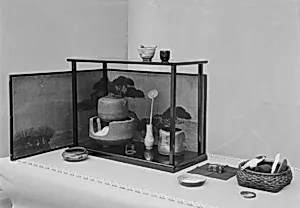
Medium
Iron
Dimensions
H. 7 1/2 in. (19.1 cm); D. 12 1/2 in. (31.8 cm)
Classification
Metalwork
Culture
Japan
Department
Asian Art
Museum
Metropolitan Museum of Art, New York, NY
Credit
Fletcher Fund, 1925
Accession Number
25.215.30
Rights
Public Domain
Art Historical Context
Nestled in the Metropolitan Museum of Art's Asian Art collection, this elegant *Firepot* by the Japanese metalworker Shobei to the 18th century, a vibrant period in Japan's Edo era. Crafted from iron, it measures 7½ inches high and 12½ inches in diameter, embodying the practical beauty of everyday objects elevated to art. Acquired through the Fletcher Fund in 1925, it showcases the mastery of Japanese metalwork, where humble materials like iron were transformed into durable, functional pieces. In traditional Japanese homes, firepots—known as *hibachi*—served as portable braziers for burning charcoal, providing essential warmth and a cooking surface during the long winters, before modern heating. Shobei's design reflects the era's emphasis on refined simplicity, blending utility with subtle aesthetic appeal. Iron, prized for its strength and heat resistance, was often cast using intricate sand-molding techniques, allowing for textured surfaces that aged gracefully with use and patina. This artwork highlights Japan's cultural reverence for *wabi-sabi*—the beauty in imperfection and transience—turning a household essential into a testament to artisanal skill. Visitors will appreciate how such metalwork bridged domestic life and artistic expression, inviting reflection on centuries-old traditions.