
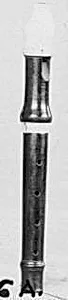
Flageolet in F
19th century (?)
Medium
Wood, ivory
Dimensions
L. 9-3/32 (232 mm.)
Classification
Aerophone-Whistle Flute-flageolet
Culture
French
Department
Musical Instruments
Museum
Metropolitan Museum of Art, New York, NY
Credit
The Crosby Brown Collection of Musical Instruments, 1889
Accession Number
89.4.913
Rights
Public Domain
Art Historical Context
**Flageolet in F Millet** Step into the refined world of 19th-century French music with this exquisite *Flageolet in F*, crafted by the instrument maker Millet. Measuring just 9-3/32 inches (232 mm) in length, this delicate aerophone—a type of whistle flute—is fashioned from wood and ivory, materials prized for their acoustic properties and aesthetic elegance. The flageolet, with its end-blown design and finger holes, produces a sweet, bird-like tone making it a favorite among amateur musicians and for pastoral serenades during the Romantic era. Originating in France, where it flourished from the 17th to 19th centuries, the flageolet embodied the era's fascination with intimate, portable instruments suitable for home entertainment or outdoor leisure. Millet's workmanship highlights the meticulous craftsmanship of French luthiers, blending functional precision with decorative flair through the contrasting textures of polished wood and smooth ivory. Its key of F allowed players to explore a bright, melodic range, evoking the countryside idylls popular in French art and literature. Now part of the Metropolitan Museum of Art's renowned Crosby Brown Collection of Musical Instruments, acquired in 1889, this piece offers a tangible link to Europe's musical past. It reminds us how instruments like the flageolet bridged art, culture, and everyday joy, inviting visitors to imagine the gentle strains filling a Parisian salon or garden.