
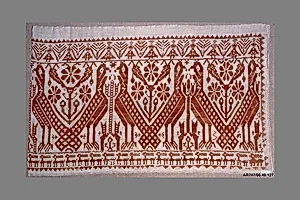
Fragment
Unknown Artist
16th century
Medium
Linen
Dimensions
L. 20 x W. 24 inches (50.8 x 61 cm)
Classification
Textiles-Embroidered
Culture
Italian, Sicily
Department
European Sculpture and Decorative Arts
Museum
Metropolitan Museum of Art, New York, NY
Credit
Rogers Fund, 1908
Accession Number
08.48.127
Rights
Public Domain
Art Historical Context
This delicate linen fragment, embroidered by an unknown artist in 16th-century Sicily offers a glimpse into the island's vibrant textile traditions during the Renaissance. Measuring 20 by 24 inches, it as a testament to the meticulous craftsmanship of Italian artisans, likely produced for ecclesiastical vestments, household linens, or decorative panels. Acquired through the Rogers Fund in 1908, it now graces the Metropolitan Museum of Art European Sculpture and Decorative collection, classified among embroidered textiles. Sicily's unique position as a cultural crossroads—blending Italian, Spanish, and earlier Arab influences—fostered extraordinary embroidery techniques. Artisans employed fine needlework on linen, a durable yet lightweight medium ideal for intricate patterns that might feature floral motifs, geometric designs, or symbolic imagery, though specifics on this piece remain elusive due to its fragmentary state. Such textiles were prized for their labor-intensive processes, often involving silk or metallic threads, symbolizing wealth and piety in Renaissance society. Today, this artifact highlights the unsung artistry of anonymous makers, reminding us how everyday materials could become objects of beauty and devotion. Pause to admire the preserved stitches, evoking Sicily's golden age of decorative arts.