
Fragment
Unknown Artist
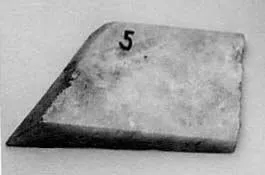
Medium
Jadeite
Dimensions
H. 3 1/16 in. (7.8 cm); W. 1 1/2 in. (3.8 cm); L. 13/16 in. (2.1 cm)
Classification
Jade
Culture
Myanmar (Burma)
Department
Asian Art
Museum
Metropolitan Museum of Art, New York, NY
Credit
Gift of Heber R. Bishop, 1902
Accession Number
02.18.5
Rights
Public Domain
Art Historical Context
This delicate jadeite fragment, hailing from Myanmar (Burma), exemplifies the reverence for jade in Southeast Asian cultures. Carved from jadeite—a rarer and more vivid form of jade than nephrite—this small piece measures just 3 1/16 inches high, 1 1/2 inches wide, and 13/16 inches long. Its compact size suggests it may be a remnant of a larger ornament, bead, or ritual object, polished to highlight the stone's natural translucency and subtle green hues, which were highly prized in Burmese artistry. In Myanmar, jadeite has long held profound cultural and spiritual significance, often associated with purity, protection, and prosperity in Buddhist traditions. Sourced from legendary mines like those near Phakant, it was meticulously worked by skilled artisans using traditional techniques such as abrasion and polishing with bamboo and sand, achieving a glassy luster without metal tools. Though the artist and exact date remain unknown, such fragments offer a window into Burma's precolonial jade-working heritage, spanning centuries. A generous gift from Heber R. Bishop in 1902, this piece resides in the Metropolitan Museum of Art's Asian Art Department, inviting visitors to ponder the enduring allure of jade's timeless beauty and the mysteries of its unfinished story.