
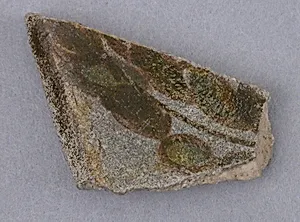
Fragment
Unknown Artist
9th century
Medium
Earthenware; glazed
Classification
Ceramics
Department
Islamic Art
Museum
Metropolitan Museum of Art, New York, NY
Credit
Gift of Mr. and Mrs. Wendell M. Hastings, 1960
Accession Number
60.23.49
Rights
Public Domain
Art Historical Context
This exquisite *Fragment* from the 9th century exemplifies the early brilliance of Islamic ceramics, crafted in glazed earthenware. Housed in the Metropolitan Museum of Art's Islamic Art department as a gift from Mr. and Mrs. Wendell M. Hastings in 1960, it survives as a testament to the ingenuity of anonymous artisans during the Islamic Golden Age. At a time when the Abbasid Caliphate flourished across the Middle East, pottery like this bridged utilitarian craft and artistic expression. The use of glazing on earthenware was revolutionary, creating a glossy, impermeable surface that protected the clay while allowing vibrant colors and intricate designs—though this fragment preserves only echoes of those techniques. Such pieces often drew from Mesopotamian and Persian traditions, evolving into the lustrous wares that influenced global ceramics for centuries. Glazing techniques, possibly involving lead or tin-opacified glazes, marked a shift from unglazed pottery, enabling mass production for tableware, tiles, and architectural decoration. Though incomplete, this artifact offers a window into daily life and cultural exchange in 9th-century Islamic societies, where ceramics symbolized refinement and trade. Visitors can appreciate how such humble fragments reveal the roots of an enduring artistic legacy.