
Fragment
Unknown Artist
15th century
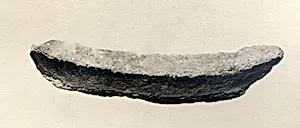
Medium
Earthenware; incised decoration through a white slip and coloring under transparent glaze
Classification
Ceramics
Department
Islamic Art
Museum
Metropolitan Museum of Art, New York, NY
Credit
Rogers Fund, 1907
Accession Number
07.238.62
Rights
Public Domain
Art Historical Context
This exquisite earthenware fragment from the 15th century offers a glimpse into the refined world of Islamic ceramics, medium that flourished across the Islamic world during the period. Produced by an unknown artist, it hails from a time when potters in regions like Persia, Syria, and Anatolia innovated techniques to create vibrant, durable wares for both daily use and architectural decoration. Acquired through the Rogers Fund in 1907, it now graces the Metropolitan Museum of Art Islamic Art department, reminding visitors of the era's cultural exchange along Silk Road trade routes. The fragment's artistry shines through its sophisticated incising technique: artisans applied a white slip—a liquid clay mixture—over the earthenware body, then scratched intricate designs through it to reveal the contrasting clay beneath. Delicate coloring was added before firing under a transparent glaze, producing a luminous, jewel-like effect that protected the surface while enhancing its visual depth. This sgraffito-style method, popular in Islamic pottery, allowed for precise, calligraphic, or floral motifs that embodied the era's reverence for geometry and nature. Though a mere fragment, it encapsulates the technical mastery and aesthetic elegance of 15th-century Islamic craftsmanship, highlighting how everyday objects became canvases for spiritual and artistic expression. A true treasure for ceramic enthusiasts!