
Fragment
Unknown Artist
ca. 1130–40
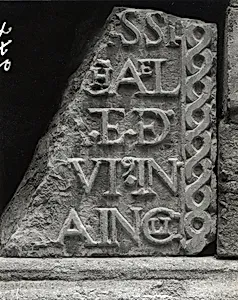
Medium
Marble
Dimensions
Overall: 15 x 17 in. (38.1 x 43.2 cm)
Classification
Sculpture-Architectural
Culture
Catalan
Department
The Cloisters
Museum
Metropolitan Museum of Art, New York, NY
Credit
The Cloisters Collection, 1925
Accession Number
25.120.948
Rights
Public Domain
Tags
Art Historical Context
This captivating marble fragment, dating to around 1130–40, hails from Catalonia during the height of the Romanesque period As an architectural sculpture, it likely once adorned a church portal, capital, or cloister wall in a monastic complex, where such carvings animated spaces with symbolic motifs.ed from durable marble, prized medium for its ability to withstand centuries while capturing intricate details, this 15 x 17-inch piece exemplifies the robust, expressive style of Catalan Romanesque art. In 12th-century Catalonia,esque sculpture flourished amid a wave of church-building, blending local traditions with influences from pilgrimage routes like the Camino de Santiago. Artists carved bold figures and geometric patterns to convey biblical narratives and protect against evil, making architecture a vivid storytelling medium. Though the exact provenance remains unknown, its survival speaks to the era's masterful stonework. Now part of The Cloisters Collection at The Metropolitan Museum of Art since 1925, this fragment invites visitors to ponder the grandeur of medieval Catalan monasteries. Gaze closely to imagine it in its original setting, bridging the tactile world of stone with spiritual devotion.