
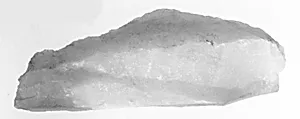
Fragment of the Interior surface of Siptah's Canopic Chest
Unknown Artist
ca. 1194–1188 B.C.
Medium
Travertine (Egyptian alabaster)
Dimensions
N.A.
Classification
Canopic box, Siptah, interior surface
Period
New Kingdom, Ramesside
Department
Egyptian Art
Museum
Metropolitan Museum of Art, New York, NY
Credit
Gift of Theodore M. Davis, 1914
Accession Number
14.6.324
Rights
Public Domain
Art Historical Context
This delicate fragment from the interior surface Pharaoh Siptah's can chest offers a glimpse into the sacred funerary practices of ancient Egypt's New Kingdom. Dating to around 1194–1188 B.C., during Dynasty 19's Ramesside period, it once formed part of a chest designed to house the king's removed organs—lungs, liver, stomach, and intestines—preserved in jars protected by the four sons ofus. Siptah, a short-reigned boy-king whose tomb in the Valley of the Kings was discovered intact, embodied the era's royal splendor amid political intrigue. Carved from travertine, known as Egyptian alabaster, the fragment showcases the stone's prized translucency and fine grain, ideal for luminous funerary objects symbolizing purity and eternity. Artisans meticulously incised hieroglyphic inscriptions on its interior surface, likely protective spells invoking divine safeguarding for Siptah's ka (spirit) in the afterlife. This technique highlights the exquisite precision of Ramesside craftsmen, blending artistry with profound religious function. Today, this piece at the Metropolitan Museum of Art, gifted by Theodore M. Davis in 1914, reminds us of Egypt's belief in immortality, where even fragmented remnants whisper of pharaonic power and the quest for eternal life.