
Fragments
Unknown Artist
9th century
Medium
Earthenware; glazed
Classification
Ceramics
Department
Islamic Art
Museum
Metropolitan Museum of Art, New York, NY
Credit
Rogers Fund, 1923
Accession Number
23.75.31a, b
Rights
Public Domain
Art Historical Context
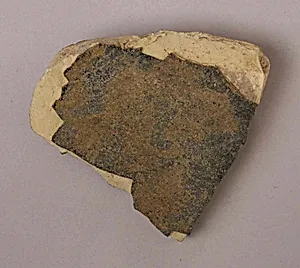
### Fragments: A Glimpse into 9th-Century Islamic Craftsmanship Nestled in the Islamic Art department of the Metropolitan of Art, these *Fragments* are delicate remnants of 9th-century earthenware ceramics, acquired through the Rogers Fund in 1923. Crafted by an unknown artist, they evoke the vibrant pottery traditions of the early Islamic world, likely from regions like Iraq or Syria during the Abbasid Caliphate's age. As shards preserving hints of their original form, they invite us to piece together a story of everyday elegance and artistic innovation. Glazed earthenware marked a pivotal advancement in Islamic ceramics, with potters applying a vitreous glaze over fired clay to create a smooth, impermeable surface ideal for both utility and decoration. This technique not only enhanced durability—resisting water absorption—but also allowed for bold colors and intricate patterns, foreshadowing later masterpieces in lusterware and tilework. In the 9th century, such vessels served practical roles in households and mosques, blending functionality with aesthetic beauty reflective of Islamic geometric and floral motifs. Though incomplete, these fragments underscore the cultural significance of ceramics as an accessible art form in medieval Islamic society, where skilled artisans democratized luxury through local kilns. They remind us how fragile artifacts endure, offering timeless insights into a flourishing civilization's ingenuity and grace.