
Frescoes from the Villa Stati-Mattei
Medium
Fresco, transferred to canvas
Dimensions
(1-12) each 12 7/8 x 12 7/8 in. (32.7 x 32.7 cm); (13-14) each 13 7/8 x 26 7/8 in. (35.2 x 68.3 cm); (15-22) each 35 1/8 x 20 1/2 in. (89.2 x 52.1 cm)
Classification
Paintings
Department
European Paintings
Museum
Metropolitan Museum of Art, New York, NY
Credit
Gwynne Andrews Fund, 1947
Accession Number
48.17.1–22
Rights
Public Domain
Tags
Art Historical Context
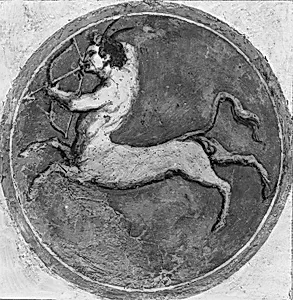
These enchanting frescoes, detached from the Villa Stati-Mi in Rome and transferred canvas, hail from the hand of Baldassare Tommasouzzi, a masterful Sienese painter and architect active during the High Renaissance (ca. 1481–1536). Peruzzi, known for his elegant designs in Rome's Palazzo Massimo and his work alongside Raphael, crafted these panels as decorative cycles for a private villa, blending architectural precision with vivid mythological narratives. Acquired by The Metropolitan Museum of Art through the Gwynne Andrews Fund 1947, the set includes 22 small-scale panels in varied formats, from intimate squares to elongated rectangles, ideal for adorning walls or ceilings. The frescoes burst with classical themes drawn from Greco-Roman mythology: dynamic scenes featuring Apollo, Hercules, Jupiter, Minerva, Venus, and Cupid, alongside centaurs wielding bows and arrows, and zodiac motifs symbolizing cosmic order. This rich iconography reflects Renaissance humanism's revival of antiquity, where gods and heroes embodied virtues, love, and fate. The fresco technique—pigments applied to wet plaster for luminous durability—was revolutionary for its time, though transfer to canvas in the 20th century preserved these fragile treasures for modern viewers. Peruzzi's graceful figures and harmonious compositions capture the era's shift toward Mannerist refinement, making these panels a window into elite Roman villa life and the enduring allure of myth in art. A delightful glimpse of Renaissance splendor! (218 words)