
Funerary Cone of Min
Unknown Artist
ca. 1479–1425 B.C.
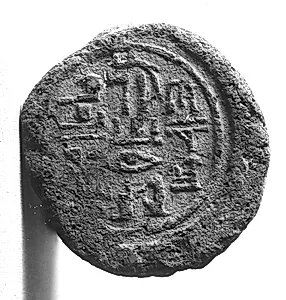
Medium
Pottery
Dimensions
Preserved L. 8.6 cm (3 3/8 in.); diam. 7.6 cm (3 in.)
Classification
Cone, circular impression, Min, scribe, overseer, priest, Osiris, oasis, TT 109
Period
New Kingdom
Department
Egyptian Art
Museum
Metropolitan Museum of Art, New York, NY
Credit
Gift of Herbert E. Winlock, 1909
Accession Number
09.185.24a
Rights
Public Domain
Tags
Art Historical Context
Step into the sun-baked tombs of ancient Thebes with the *Funerary Cone of Min*, humble yet poignant artifact from Egypt's New Kingdom, Dynasty18 (ca. 1479–1425 B.C.). Crafted from pottery, this small cone—measuring just 8.6 cm long and 7.6 cm in—was designed to be embedded above a tomb entrance, like a ancient "do not disturb" sign for eternity. Its shape mimics offering loaves, symbolizing endless provisions for the deceased's spirit, or *ka*. Inscribed with hieroglyphs, the cone names Min, likely the tomb owner, and invokes blessings from passersby to provide food and drink forever—a communal act of piety in a death-obsessed society. Mass-produced on potters' wheels and stamped with precise inscriptions, these cones reflect the New Kingdom's blend of artistry and utility: accessible even to non-elites, yet rich in symbolic power. Thousands have been found in the Theban necropolis, underscoring the era's obsession with the afterlife during pharaohs like Thutmose III. Today, this gift from Herbert E. Winlock graces the Metropolitan Museum of Art's Egyptian Art collection. Though modest, it whispers of Egypt's enduring faith in immortality—proof that even clay could outlast kings. (198 words)