
Funerary Cone of the Scribe Amenhotep
Unknown Artist
ca. 1550–1295 B.C.
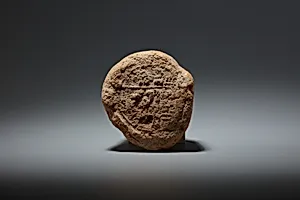
Medium
Pottery
Dimensions
H. 7.9 cm (3 1/8 in.); W. 7.3 cm (2 7/8 in.); preserved L. 9.5 cm (3 3/4 in.)
Classification
Cone, Davies 557, Amenhotep, scribe, accounts, grain, Amun
Period
New Kingdom
Department
Egyptian Art
Museum
Metropolitan Museum of Art, New York, NY
Credit
Rogers Fund, 1915
Accession Number
15.10.21
Rights
Public Domain
Tags
Art Historical Context
Step into the world of ancient Egypt with the *Funerary Cone of the Sc Amenhotep*, a yet poignant artifact from the New Kingdom's Dynasty 18 (ca. 1550–1295 B.C.). Crafted from pottery, this small cone—measuring just 7.9 cm high and 7.3 cm wide—would have been embedded above a tomb entrance in Thebes, serving as a memorial to the deceased scribe. These cones, often produced in large numbers, acted like ancient business cards, publicly honoring the owner's status and inviting passersby to offer prayers for their ka, or spirit, in the afterlife. Adorned with hieroglyphs, the cone likely bears Amenhotep's name, titles, and invocations for offerings of bread, beer, oxen, and fowl—staples of Egyptian funerary rituals. This reflects the New Kingdom's emphasis on eternal remembrance amid grand architectural tombs. Pottery's durability and affordability made it ideal for mass production, blending practical craftsmanship with sacred symbolism in Egypt's vibrant scribal culture. Acquired through the Rogers Fund in 1915, this piece at the Metropolitan Museum of Art offers a window into everyday elite life during Egypt's imperial golden age, when scribes like Amenhotep wielded power through literacy and administration. A humble cone, yet a timeless testament to humanity's quest for immortality.