
Galloping Horses
Unknown Artist
ca. 1353–1336 B.C.
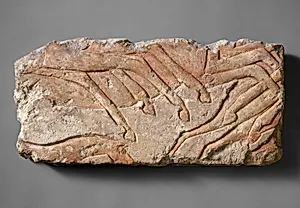
Medium
Limestone, paint
Dimensions
H. 23.2 cm (9 1/8 in); w. 49.5 cm (19 1/2 in)
Classification
Talatat, horses
Period
New Kingdom, Amarna Period
Department
Egyptian Art
Museum
Metropolitan Museum of Art, New York, NY
Credit
Gift of Norbert Schimmel, 1985
Accession Number
1985.328.17
Rights
Public Domain
Art Historical Context
Behold the dynamic *Galloping Horses*, a limestone relief from Egypt's New Kingdom, crafted around 1353–1336 B.C. during the revolutionary Amarna Period of Dynasty 18. This artwork, measuring 23.2 cm high and 49.5 cm wide, captures the raw energy of horses in full stride—likely evoking the speed and power of royal chariots. Donated to the Metropolitan Museum of Art in 1985 by Norbert Sch, it exemplifies the era's bold artistic experimentation under Pharaoh Akhenaten. Thearna Period marked a dramatic shift in Egyptian art, abandoning rigid conventions for more naturalistic forms, elongated figures, and vivid expressions of motion. Horses, introduced to Egypt centuries earlier via Hyksos invaders, symbolized military might and elite status by this time. Their depiction here highlights the pharaoh's prowess and the era's fascination with the natural world, intertwined with Akhenaten's Aten sun-god worship. Carved in limestone and once brightly painted (traces may remain), the relief showcases ancient Egyptian techniques: incised lines for form, sunk relief for dramatic shadows, and pigments for lifelike vibrancy. Though the artist remains unknown, this piece offers a rare glimpse into a transformative moment when art mirrored profound cultural and religious upheaval, inviting us to gallop through history.