
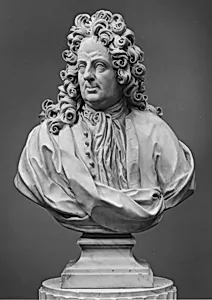
Giovanni Andrea Muti
ca. 1725
Medium
Marble
Dimensions
Height (bust): 31 in. (78.7 cm); Height (socle): 7 1/2 in. (19.1 cm)
Classification
Sculpture
Culture
Italian, Rome
Department
European Sculpture and Decorative Arts
Museum
Metropolitan Museum of Art, New York, NY
Credit
Purchase, Josephine Bay Paul and C. Michael Paul Foundation Inc. Gift and Charles Ulrick and Josephine Bay Foundation Inc. Gift, 1969
Accession Number
69.82
Rights
Public Domain
Tags
Art Historical Context
This exquisite marble bust of *Giovanni Andrea Muti*, by the Roman sculptor Bernardino Cametti around 1725, captures the elegance of early 18th-century Italian portraiture. Cametti, a master of late Baroque style, specialized in dynamic sculptures that blended classical grandeur with emerging Rococo fluidity. Standing at 31 inches tall atop a 7½-inch socle, the bust exemplifies the Roman tradition of commemorative portrait sculpture, often commissioned by nobility to adorn palaces or chapels. The work's historical significance lies in its portrayal of Giovanni Andrea Muti, likely a prominent figure from Rome's aristocratic circles, amid the vibrant papal city under Pope Benedict XIII. Marble, a noble medium revered since antiquity, allowed Cametti to showcase virtuoso carving techniques—note the intricate drapery folds, lifelike hair texture, and penetrating gaze that convey both authority and introspection. Such busts served as status symbols, bridging Renaissance humanism and Baroque expressiveness. Housed in the Metropolitan Museum of Art's European Sculpture and Decorative Arts department, this piece invites visitors to appreciate how Roman sculptors like Cametti preserved personal legacies in enduring stone, offering a window into the opulent world of 1720s Italy.