
Glass Fragment
Unknown Artist
13th century
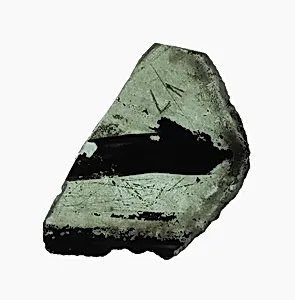
Medium
Colorless glass
Dimensions
Overall: 2 1/4 x 1 1/2 in. (5.7 x 3.8 cm)
Classification
Glass-Stained
Culture
French
Department
Medieval Art
Museum
Metropolitan Museum of Art, New York, NY
Credit
Gift of Dr. Bashford Dean, 1923
Accession Number
23.229.5-17
Rights
Public Domain
Art Historical Context
This delicate glass fragment, hailing from 13th-century France, a glimpse into the luminous world of medieval stained glass. Crafted during the High Gothic era, when grand cathedrals like Chart and Notre-Dame were adorned with vast windows, such pieces transformed sunlight into storytelling spectacles. Though colorless, this tiny survivor—measuring just 2¼ x 1½ inches—likely formed part of a larger panel, its clarity allowing painted details or surrounding hues to shine through, illuminating biblical scenes or saints for worshippers below. Stained glass was a pinnacle of medieval artistry, blending advanced glassmaking with vitreous paints fired onto the surface for enduring color and detail. French workshops excelled in this technique, using pot-metal glass (colored during melting) and silver stain for golden tones. Fragments like this one, preserved despite centuries of decay, reveal the fragility and ingenuity of these "poor man's Bible," educating the illiterate masses through vivid light. A generous gift to the Metropolitan Museum of Art from Dr. Bashford Dean in 1923, this shard now resides in the Medieval Art department, reminding us how even the smallest remnants capture the era's spiritual splendor and technical mastery.