
Glass Fragment
Unknown Artist
15th century
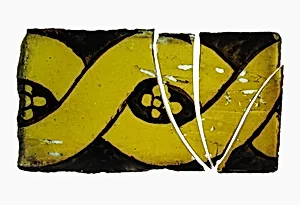
Medium
Pot metal glass
Dimensions
Overall: 3 1/4 x 1 3.4 in. (8 x 4.5 cm)
Classification
Glass-Stained
Culture
European
Department
Medieval Art
Museum
Metropolitan Museum of Art, New York, NY
Credit
Gift of George D. Pratt, 1930
Accession Number
30.73.105
Rights
Public Domain
Art Historical Context
This delicate glass fragment, dating to the 15th, offers a glimpse into the luminous world of medieval European stained glass. Crafted from pot metal glass—a technique where metal oxides like copper for reds and cobalt for blues were mixed into molten glass before shaping—it measures just 3¼ x 1⅜ inches. Likely salvaged from a larger church window, it exemplifies the intricate artistry of Gothic-era workshops, where such pieces transformed dim cathedrals into vibrant storytelling spaces illuminated by sunlight. Pot metal glass was prized for its jewel-like translucency and durability, allowing artisans to create bold, saturated colors that endured for centuries. In 15th-century Europe, stained glass panels depicted saints, biblical scenes, and heraldry, serving both devotional and educational purposes for largely illiterate congregations. This fragment, though small and anonymous, captures the technical mastery of cutting, painting with vitreous enamels, and leading multiple pieces together. Now housed in the Metropolitan Museum of Art's Medieval Art department—thanks to a 1930 gift from George D. Pratt—it reminds us of the fragility and splendor of these medieval treasures. Held to the light, it still evokes the ethereal glow that once bathed worshippers in divine color.