
Glass Fragment
Unknown Artist
14th century
Medium
Pot metal glass
Dimensions
Overall: 4 x 3/4 inches (10 x 2 cm)
Classification
Glass-Stained
Culture
European
Department
Medieval Art
Museum
Metropolitan Museum of Art, New York, NY
Credit
Gift of George D. Pratt, 1930
Accession Number
30.73.199
Rights
Public Domain
Art Historical Context
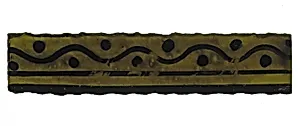
This delicate *Glass Fragment*, dating to the 14th, offers a glimpse into the luminous world of medieval European stained glass. Crafted from pot metal glass—a technique where metal oxides like copper, cobalt, and iron were fused directly into the molten glass to create vibrant, jewel-like colors—this small piece (just 4 x ¾ inches) survives from what was likely a grand cathedral window. Unlike later methods that painted details onto clear glass, pot metal allowed for rich, translucent hues that transformed sunlight into storytelling spectacles, illuminating biblical scenes or saints for illiterate worshippers. In the Gothic era of the 1300s, stained glass was at its zenith, adorning soaring cathedrals across Europe like Chartres or Sainte-Chapelle. Though the artist remains unknown, the fragment exemplifies the masterful craftsmanship of anonymous medieval glaziers, who cut and leaded pieces into intricate mosaics. Its survival speaks to the fragility of these artworks, often shattered by time, war, or iconoclasm. A generous gift from George D. Pratt in 1930, this treasure now resides in The Metropolitan Museum of Art's Medieval Art department, inviting us to ponder the divine light that once danced through it in a distant abbey.