
Guitar
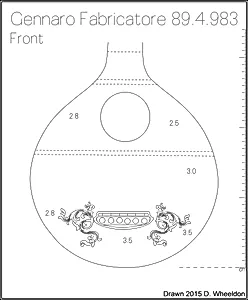
Medium
Spruce, beechwood?, ebony
Dimensions
61.5cm x 26cm x 10cm
Classification
Chordophone-Lute-plucked-fretted
Culture
Italian
Department
Musical Instruments
Museum
Metropolitan Museum of Art, New York, NY
Credit
The Crosby Brown Collection of Musical Instruments, 1889
Accession Number
89.4.983
Rights
Public Domain
Art Historical Context
This guitar, crafted in 1802 by Italian maker Gennaro Fabricatore, represents the refined tradition of early 19th-century European instrument building. At just 61.5 cm long, its compact size suited the intimate parlor performances popular during the period. The instrument belongs to the chordophone family, specifically a fretted, plucked lute, and its elegant proportions reflect the era’s shift toward the modern guitar form while preserving Italian design sensibilities. Constructed primarily of spruce, with possible beechwood and ebony accents, the guitar showcases the thoughtful selection of tonewoods valued for resonance, strength, and visual appeal. Spruce tops were favored for their ability to vibrate freely, producing a clear, projecting sound, while ebony provided durable, smooth fretboards for precise playing. Such material choices highlight the blend of acoustic science and artistry in Fabricatore’s workshop. Acquired by the Metropolitan Museum in 1889 through the Crosby Brown Collection, this piece offers visitors insight into the cultural role of music-making in Italian society and the lasting legacy of skilled luthiers whose instruments continue to inspire.