
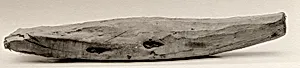
Hand wedge
Unknown Artist
ca. 1981–1802 B.C.
Medium
Wood
Dimensions
L. 45 cm (17 11/16 in.)
Classification
Wedge, hand
Period
Middle Kingdom
Department
Egyptian Art
Museum
Metropolitan Museum of Art, New York, NY
Credit
Rogers Fund, 1934
Accession Number
34.1.35
Rights
Public Domain
Art Historical Context
In the heart of ancient Egypt’s Middle Kingdom, during the prosperous reign of Dynasty 12 (ca. 1981–1802 B.C.), this simple wooden hand wedge offers a glimpse into the practical world of ancient craftsmanship. At 45 centimeters long, the tool was likely used by carpenters or builders to split wood or apply leverage in construction and furniture-making. Wood was a valued and often imported material in the Nile Valley, so even utilitarian objects like this one reflect careful selection and shaping by skilled hands. The Middle Kingdom marked a period of renewed stability and artistic refinement after earlier political turmoil. Everyday tools such as this wedge reveal the technical knowledge and resourcefulness of Egyptian workers who supported grand building projects and daily life. Though its maker remains unknown, the object embodies the anonymous labor that sustained one of history’s most enduring civilizations. Acquired by the Metropolitan Museum of Art in 1934 through the Rogers Fund, the wedge now connects modern visitors with the tangible heritage of ancient Egyptian ingenuity and the quiet importance of functional art.