
Headscarf
Unknown Artist
first quarter 19th century
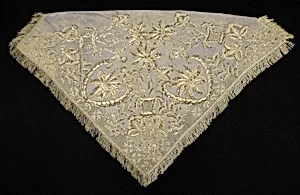
Medium
Silk, metallic, metal
Classification
Headscarf
Culture
Russian
Department
Costume Institute
Museum
Metropolitan Museum of Art, New York, NY
Credit
Brooklyn Museum Costume Collection at The Metropolitan Museum of Art, Gift of the Brooklyn Museum, 2009; Gift of Mrs. Edward S. Harkness in memory of her mother, Elizabeth Greenman Stillman, 1931
Accession Number
2009.300.6345
Rights
Public Domain
Art Historical Context
Step into the opulent world of early 19th-century Russia with this stunning *Headscarf*, crafted in the first quarter of the 1800s by an unknown artist. Made from luxurious silk interwoven with metallic threads and adorned with metal elements, this piece from the Costume Institute exemplifies the exquisite textile artistry of its time. The shimmering metallic accents would have caught the light beautifully, adding a touch of grandeur to everyday or ceremonial wear. In Russian culture, headscarves like this were essential accessories for women, symbolizing modesty, status, and regional identity. During the Russian Empire era under Tsars Alexander I and Nicholas I, such garments blended folk traditions with emerging European influences, often featuring intricate embroidery or weaving techniques to showcase skilled craftsmanship. The use of silk—a rare and imported luxury—alongside metal for embellishment highlights the wearer's social standing and the piece's role in festive or formal attire. Today, this headscarf, part of the Brooklyn Museum Costume Collection gifted to The Metropolitan Museum of Art, offers a tangible glimpse into Russia's rich sartorial heritage. Its preservation reveals how fashion intertwined with cultural pride, inviting us to appreciate the delicate balance of beauty, function, and history in a single, elegant accessory.