
Hydria fragment
ca. 540 BCE
Medium
Terracotta
Dimensions
4 5/8 x 7 1/4in. (11.8 x 18.4cm) Other (greatest height): 4 5/8in. (11.8cm)
Classification
Vases
Culture & Period
Greek, Attic · Archaic
Department
Greek and Roman Art
Museum
Metropolitan Museum of Art, New York, NY
Credit
Rogers Fund, 1923
Accession Number
23.160.92
Rights
Public Domain
Tags
Art Historical Context
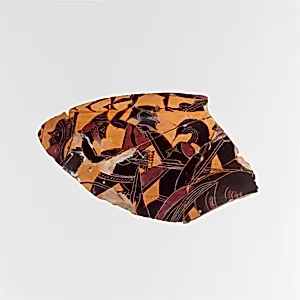
This exquisite terracotta fragment from a hydria, or water jar, dates to around 540 BCE and hails from Attic Greece during the Archaic period. Crafted by the Princeton Painter, an anonymous master of black-figure pottery named for his distinctive style seen on a vase at Princeton University, it measures just 4 5/8 x 7 1/4 inches—reminding us how fragile yet enduring ancient artifacts can be. Acquired by the Metropolitan Museum of Art through the Rogers Fund in 3, it offers a glimpse into the daily life and artistry of ancient Athens. The fragment vividly captures a dynamic battle scene featuring men in combat, a popular motif in Archaic vase painting that celebrated heroic ideals and mythological clashes. The black-figure technique—incising details into silhouettes fired black against the red-orange clay—creates striking contrasts and intricate patterns, from warriors' muscular forms to their shields and spears. This method, perfected in the 6th century BCE, allowed potters like the Princeton Painter to blend functionality with storytelling, turning everyday vessels into canvases for epic tales. As a survivor of over 2,500 years, this piece illuminates Attic pottery's role in exporting Greek culture across the Mediterranean, influencing everything from trade to mythology. Though incomplete, its bold energy invites visitors to imagine the full hydria in use, pouring water while narrating valor. A true treasure of the Met's Greek and Roman collection!