
Ibex-Shaped Design Amulet Inscribed With A Crocodile and A Fish
Unknown Artist
ca. 1550–1295 B.C.
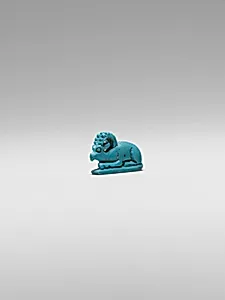
Medium
Faience
Dimensions
h. 1.2 cm (1/2 in); l. 1.8 cm (11/16 in); w. 0.6 cm (1/4 in)
Classification
Stamp seal, Ibex
Period
New Kingdom
Department
Egyptian Art
Museum
Metropolitan Museum of Art, New York, NY
Credit
Purchase, Edward S. Harkness Gift, 1926
Accession Number
26.7.50
Rights
Public Domain
Art Historical Context
This delicate faience amulet, shaped a nimble ibex and inscribed with a crocodile and a fish, hails from Egypt's New Kingdom, specifically Dynasty 18 (ca. 1550–1295 B.C.). Measuring just 1.2 cm high, it's a testament to the ancient Egyptians' mastery of miniaturization. Faience, a vibrant glazed ceramic made from crushed quartz and colored with copper for its signature turquoise hue, was prized for small protective objects like this one, combining durability with eye-catching beauty. In the prosperous era of pharaohs like Hatshepsut and Tutankhamun, amulets were everyday talismans worn to ward off evil, promote fertility, or ensure safe passage in the afterlife. The ibex form evokes the wild mountain goats of the desert fringes, symbolizing agility and vitality, while the crocodile and fish inscriptions likely drew on Nile Valley motifs for potent magical protection—crocodiles linked to the god Sobek, fish to abundance. Crafted with incised details and fired glaze, it showcases the era's refined artistry. Acquired through the Edward S. Harkness Gift in 1926, this tiny treasure now graces the Metropolitan Museum of Art's Egyptian collection, offering a glimpse into the spiritual lives of ordinary ancient Egyptians.