
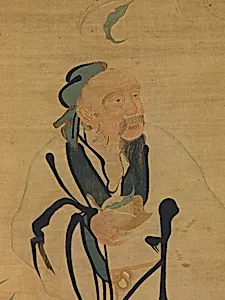
明 緙絲蟠桃獻壽圖|Immortal Holding a Peach
Unknown Artist
16th century
Medium
Silk tapestry (kesi)
Dimensions
Overall: 46 x 24 in. (116.8 x 61 cm)
Classification
Textiles-Tapestries
Culture & Period
China · Ming dynasty (1368–1644)
Department
Asian Art
Museum
Metropolitan Museum of Art, New York, NY
Credit
Gift of Ellis G. Seymour, 1926
Accession Number
26.114.4
Rights
Public Domain
Tags
Art Historical Context
This exquisite silk tapestry, titled *Immortal Holding a Peach* (明 緙絲蟠桃獻壽圖), hails from 16th-century Ming dynasty China (1368–1644), a golden age for imperial arts. Woven in the intricate *kesi* technique—a slit-tapestry method using fine silk threads dissolved at the edges for seamless detail—the artwork measures 46 x 24 inches. Created by an unknown artist, likely in a court workshop, it showcases the precision and vibrancy of Ming textiles, where colors like rich golds, reds, and greens evoke ethereal beauty without a single brushstroke. At its heart, the piece depicts a serene immortal cradling a large, coiled peach (*pantao*), a potent symbol of immortality and longevity in Chinese Daoist mythology. These mythical fruits, grown in the gardens of the Queen Mother of the West, were offered to gods for eternal life, making the image a auspicious emblem for birthdays, celebrations, or imperial well-wishes. Peaches recur in Ming art as tokens of prosperity and divine favor. Now in the Metropolitan Museum of Art's Asian Art Department (gift of Ellis G. Seymour, 1926), this rare survivor highlights the technical mastery of Ming weavers, who rivaled painting in finesse. Visitors, imagine it adorning a palace hall, whispering promises of endless vitality!