
Imperial seal
Unknown Artist
date uncertain
Medium
Jade
Dimensions
H. 4 7/8 in. (12.4 cm); W. 6 5/8 in. (16.8 cm)
Classification
Seals
Culture & Period
China · Song dynasty (960–1279) or later
Department
Asian Art
Museum
Metropolitan Museum of Art, New York, NY
Credit
Rogers Fund, 1921
Accession Number
21.75.1
Rights
Public Domain
Art Historical Context
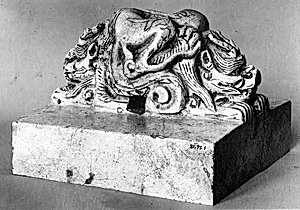
This exquisite imperial seal, from jade during the Song dynasty (9601279) or later, exemplifies the refined artistry of ancient China. Measuring 4 7/8 inches high and 6 5/8 inches wide, its smooth, polished surface reveals the masterful carving techniques prized in imperial workshops. Jade, revered in Chinese culture as a symbol of purity, moral integrity, heavenly essence, was the material of choice for objects of supreme authority, reserved for the emperor and his court. Imperial seals like this one served as the ultimate mark of authenticity on official edicts, decrees, and documents, embodying the centralized power of the Song and subsequent dynasties. During the Song era, a golden age of scholarship and bureaucracy, such seals underscored the emperor's divine mandate to rule. The unknown artisan's skill in shaping the durable stone into a functional yet elegant form highlights jade's enduring prestige, often linked to immortality and virtue in Confucian thought. Acquired through the Rogers Fund in 1921 and housed in the Metropolitan Museum of Art's Asian Art department, this seal offers visitors a tangible connection to China's imperial legacy, where art and governance intertwined seamlessly.