
Inscribed Stele
Unknown Artist
6th–7th century
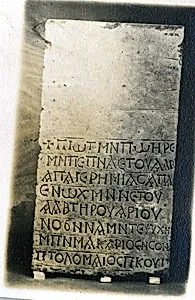
Medium
Limestone; incised
Dimensions
H. 37 in. (94 cm) W. 12 5/8 in. (32.1 cm) D. 2 in. (5.1 cm)
Classification
Sculpture
Department
Islamic Art
Museum
Metropolitan Museum of Art, New York, NY
Credit
Rogers Fund, 1910
Accession Number
10.175.74
Rights
Public Domain
Art Historical Context
This inscribed stele, carved from limestone in the 6th–7th century, stands as poignant survivor from the dawn of the Islamic era. Measuring 37 inches tall, 12⅝ inches wide, and2 inches deep, its incised surface bears carefully chiselled inscriptions, a technique that ensured longevity against the elements. Housed in the Metropolitan Museum of Art's of Islamic Art and acquired the Rogers Fund in 1910, it exemplifies early stone sculpture classified as a commemorative monument. Stele like this one were upright slabs often used as gravestones or memorials, bridging late antique traditions with emerging Islamic practices. The incising method—precise carving into the stone's surface—allowed for elegant, enduring text, possibly Qur'anic verses or dedicatory phrases, reflecting a culture that valued written commemoration amid profound religious and social change. Its modest yet monumental form highlights the artistic ingenuity of an unknown craftsman, offering visitors a tangible link to a transformative period when Islam blossomed across the Arabian Peninsula and beyond. Pause here to ponder the stories etched in stone, whispering across 1,400 years.