
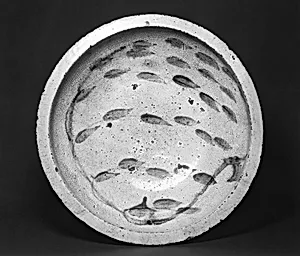
Ishizara Plate with Design of Willow Branch
Unknown Artist
late 18th–early 19th century
Medium
Stoneware (Seto ware)
Dimensions
H. 3 5/8 in. (9.2 cm); Diam. 14 1/4 in. (36.2 cm)
Classification
Ceramics
Culture & Period
Japan · Edo period (1615–1868)
Department
Asian Art
Museum
Metropolitan Museum of Art, New York, NY
Credit
The Harry G. C. Packard Collection of Asian Art, Gift of Harry G. C. Packard, and Purchase, Fletcher, Rogers, Harris Brisbane Dick, and Louis V. Bell Funds, Joseph Pulitzer Bequest, and The Annenberg Fund Inc. Gift, 1975
Accession Number
1975.268.611
Rights
Public Domain
Art Historical Context
This elegant *Ishizara Plate with Design of Willow Branch*, by an unknown artist in late 18th– to early 19th-century during the Edo period (5–1868), the refined stoneware tradition of Set ware. Produced in the renowned pottery center of Seto, Aichi Prefecture, these low-footed plates—measuring just 3⅝ inches high and 14¼ inches diameter—were essential for chanoyu, the Japanese tea ceremony. The subtle willow branch motif, gracefully rendered, evokes the tree's flexible branches swaying in the wind, symbolizing resilience and seasonal beauty in Japanese aesthetics. Seto ware's stoneware body, fired to a durable, earthy tone, highlights the period's mastery of kilns and glazes, blending functionality with understated elegance. Unlike glossy porcelains, its matte surface invited tactile appreciation, aligning with wabi-sabi principles of imperfection and transience. This piece, from The Harry G. C. Packard Collection at The Metropolitan Museum of Art, reflects Edo Japan's vibrant urban culture, where tea gatherings fostered social harmony amid peace and prosperity. Visitors, imagine placing wagashi sweets on this plate during a tea ritual—the willow design mirroring the ephemeral cherry blossoms outside. A testament to anonymous artisans' skill, it bridges daily life and artistry.