
Joseph II
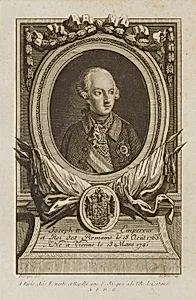
Medium
Graphic Arts-Print
Classification
Graphic Arts-Print
Department
Smithsonian Collection
Museum
Smithsonian American Art Museum
Credit
Smithsonian American Art Museum, Gift of John Gellatly
Accession Number
1929.7.85
Rights
Public Domain
Tags
Art Historical Context
This engraved portrait captures Joseph II, the Enlightenment-era Holy Roman Emperor known for his progressive reforms across Habsburg lands. Created by the French printmaker Pierre Adrien Le Beau, the work belongs to the Smithsonian American Art Museum’s graphic arts collection, donated by John Gellatly. As a printed image rather than a unique painting, it reflects the eighteenth-century practice of circulating royal likenesses widely so that subjects could encounter their ruler’s features in homes, offices, and public spaces. Le Beau’s medium—likely an etching or engraving—allowed fine detail and multiple impressions, making official portraits affordable and portable. Such prints helped shape public perception of Joseph II as a modern, accessible monarch who championed religious tolerance and administrative change. Though the exact date remains unknown, the image preserves the emperor’s dignified bearing and powdered wig, visual shorthand for authority during a period of political transformation. Today the print offers visitors a glimpse into how art and technology together disseminated ideas of leadership. Its presence in an American museum also underscores the transatlantic interest in European Enlightenment figures whose reforms influenced later democratic thought.