
Jug
Unknown Artist
ca. 3rd–7th century CE
Medium
Ceramic
Dimensions
20.87 in. (53.01 cm)
Classification
Ceramics-Vessels
Culture & Period
Sasanian · Sasanian
Department
Ancient Near Eastern Art
Museum
Metropolitan Museum of Art, New York, NY
Credit
Rogers Fund, 1934
Accession Number
34.107.53
Rights
Public Domain
Art Historical Context
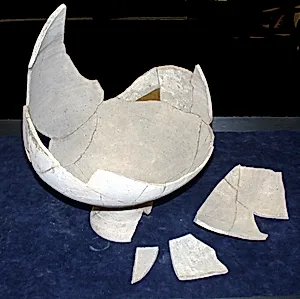
This elegant ceramic jug hails from the Sasanian Empireca. 224–651 CE), a powerhouse of ancient Persia that bridged the classical world and early Islam. Standing an impressive 20.87 (53 cm) tall, it exemplifies everyday vessels used for storing and pouring liquids like water, wine, or oils in households and elite settings. Crafted during the 3rd–7th centuries CE, such jugs were essential to Sasanian life, reflecting a society renowned for its advanced craftsmanship, Zoroastrian traditions, and trade networks spanning from the Mediterranean to India. Sasanian ceramics like this one highlight the period's mastery of wheel-throwing and firing techniques, producing durable, functional forms often adorned with subtle slips or incised designs—though specifics of this jug's decoration remain understated in its preserved state. As part of the Metropolitan Museum of Art's Ancient Near Eastern Art collection (acquired through the Rogers Fund in 1934), it offers a tangible link to an empire that influenced Islamic art and beyond. Imagine filling it at a bustling Sasanian market—its graceful proportions speak to both utility and quiet artistry, inviting us to ponder the hands that shaped it over 1,500 years ago.