
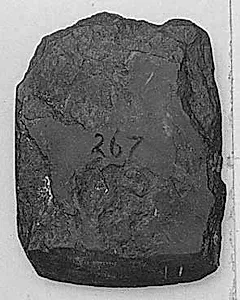
Knife
Unknown Artist
Medium
Nephrite
Dimensions
H. 2 3/16 in. (5.6 cm); W. 1 11/16 in. (4.3 cm); D. 5/16 in. (0.8 cm)
Classification
Jade
Culture & Period
North America (Alaska, Cape Prince of Wales) · Prehistoric
Department
Asian Art
Museum
Metropolitan Museum of Art, New York, NY
Credit
Gift of Heber R. Bishop, 1902
Accession Number
02.18.267
Rights
Public Domain
Art Historical Context
This exquisite nephrite jade knife, originating from prehistoric cultures at Cape Prince of Wales in, exemplifies the ingenuity of North American Indigenous peoples. Carved from nephrite—a dense, tough variety of jade prized for its durability—this small tool measures just over 2 inches in height and less than half an inch thick, yet it was likely used for cutting, scraping, or hunting tasks essential to daily survival in the harsh Arctic environment. Its simple, functional form highlights the practical artistry of prehistoric artisans, who transformed a challenging hardstone into a razor-sharp implement without metal tools. Nephrite's significance in Alaskan Native traditions cannot be overstated; sourced from local outcrops, it was a highly valued material for tools and ornaments, symbolizing resourcefulness and deep environmental knowledge. The knife's polished surfaces and precise shaping demonstrate advanced stoneworking techniques, achieved through patient grinding and abrasion over water-worn pebbles. Though its exact age remains unknown, such artifacts offer a window into lifeways predating European contact. Today, this piece graces the Metropolitan Museum of Art's Asian Art Department—a nod to jade's cross-cultural allure—thanks to a 1902 gift from Heber R. Bishop. It invites visitors to appreciate the timeless blend of utility and craftsmanship in prehistoric North America.