
鶏柄小袖|Kosode Robe with Roosters and Hens
Unknown Artist
19th century
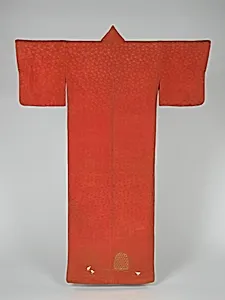
Medium
Silk, metallic thread; embroidered figured crepe
Dimensions
66 1/2 x 55 in. (168.9 x 139.7 cm)
Classification
Costumes
Culture & Period
Japan · Edo period (1615–1868)
Department
Asian Art
Museum
Metropolitan Museum of Art, New York, NY
Credit
Anonymous Gift, 1949
Accession Number
49.32.108
Rights
Public Domain
Tags
Art Historical Context
Step into the vibrant world of Edo-period Japan with this stunning *Kosode Robe with Roosters and Hens*, 19th-century masterpiece of silk embroidery. Measuring an impressive 66½ x 55 inches, kosode—Japan's precursor to the modern kimono—served as elegant outerwear for women during the Tokugawa shogunate (1615–1868). Crafted from luxurious figured crepe silk (chirimen), its surface shimmers with intricate embroidery using metallic threads, depicting lively roosters and hens strutting amid subtle patterns. In Edo culture, textiles like this were status symbols, showcasing the era's booming fashion industry in cities like Kyoto and Edo (modern Tokyo). Roosters, bold and vigilant, symbolized good fortune, protection, and the dawn of prosperity in Japanese folklore, while hens evoked domestic harmony. The embroidered motifs, rendered with fine stitches for texture and depth, highlight advanced dyeing and weaving techniques that made Japanese robes coveted worldwide. This anonymous gift to the Metropolitan Museum of Art in 1949 preserves a slice of everyday luxury from a time when such garments graced festivals, theaters, and tea houses. Imagine draping its lightweight crepe over your shoulders—its roosters crowing eternally in golden threads!