
Kris Sheath
Unknown Artist
16th–19th century
Dimensions
L. 13 3/4 in. (34.9 cm); W. 1 1/2 in. (3.8 cm); Wt. 1.2 oz. (34 g)
Classification
Krisses
Culture
Javanese
Department
Arms and Armor
Museum
Metropolitan Museum of Art, New York, NY
Credit
Bequest of George C. Stone, 1935
Accession Number
36.25.1150
Rights
Public Domain
Art Historical Context
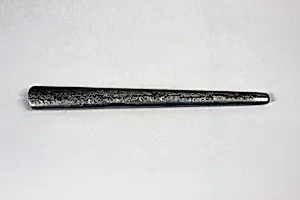
This elegant Javanese kris sheath, dating from the 16th to 19th century, is a masterful example of functional art from Indonesia's island of Java. As part of the renowned kris dagger ensemble—classified here in the Metropolitan Museum of Art's Arms and Armor Department—the sheath protected the blade of this asymmetrical, wavy-edged weapon, which held profound cultural and spiritual significance. In Javanese society, krisses were not mere tools of combat but symbols of power, status, and mysticism, often believed to possess supernatural qualities that brought luck or protection to their owners. Crafted by an unknown artisan, the sheath exemplifies the exquisite woodworking and decorative traditions of Javanese culture during a period of thriving sultanates and artistic innovation. Though its specific medium is unrecorded, such pieces were typically adorned with intricate carvings, gold inlays, or lacquer, reflecting the owner's wealth and social standing. At just 13¾ inches long, 1½ inches wide, and a mere 1.2 ounces, its lightweight form speaks to the precision of anonymous makers who blended utility with beauty. Bequeathed to the Met in 1935 by George C. Stone, this sheath invites us to appreciate the artistry behind Javanese martial heritage, where every curve and contour tells a story of tradition and reverence.