
Lamp
Unknown Artist
2nd–7th century
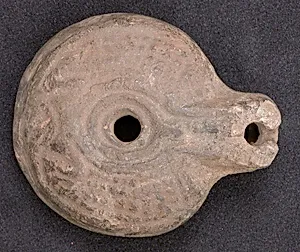
Medium
Earthenware; molded
Classification
Ceramics
Department
Islamic Art
Museum
Metropolitan Museum of Art, New York, NY
Credit
Rogers Fund, 1926
Accession Number
26.3.207
Rights
Public Domain
Art Historical Context
This delicate earthenware lamp, crafted by an unknown artist between the nd and 7th, offers a glimpse into the early formative years of Islamic art. Housed in the Metropolitan Museum of Art's Islamic Art department (acquired through the Rogers Fund in 6), it exemplifies the from late antique traditions—rooted in Byzantine and Sasanian influences—to emerging aesthetic of the Islamic world. Such lamps were ubiquitous in regions like Syria, Egypt, Mesopotamia, where they lit homes, mosques, and spaces during an era of cultural synthesis and expansion. Made from molded earthenware, the piece highlights a practical yet sophisticated technique: clay was pressed into reusable molds to create intricate relief designs, allowing for mass production of decorative objects without sacrificing artistry. This method marked a shift toward more accessible ceramics, blending functionality with subtle ornamentation—often geometric patterns or floral motifs that foreshadowed Islam's aversion to figurative representation. As a humble survivor of daily life, this lamp underscores the cultural importance of light in early Islamic society, symbolizing guidance and enlightenment. Visitors can appreciate how such everyday ceramics laid the groundwork for the glittering tilework and lusterware that defined later Islamic mastery.