
Legends of the Yūzū Nembutsu Sect
Kamakura period (1185–1333), 14th century
Medium
Handscroll; ink, colors, and gold on paper
Dimensions
30.5 × 1176.9 cm (12 × 460 in.)
Classification
handscroll
Department
Arts of Asia
Museum
Art Institute of Chicago
Accession Number
56731
Rights
Public Domain
About this artwork
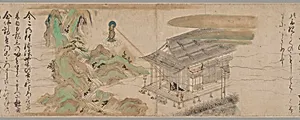
This long narrative handscroll recounting events in the life of the charismatic monk Ryōnin (1072–1132) is both endearingly personal and deeply spiritual. We fi rst encounter Ryōnin as a recluse in Ōhara, north of Kyoto, where he remained in prayer and meditation for twenty-four years while his fame as a holy man spread. One day the Amida Buddha appeared to him in a dream, riding in on a pedestal of clouds and radiating golden light. The vision told him to redirect his path toward enlightenment ...
Art Historical Context
### Legends of the Yūzū Nembutsu This magnificent handscroll from Japan's Kamakura period (1185–1333), specifically the 14th century, vividly captures the legends of the Yūzū Nembutsu Sect, Pure Land Buddhist tradition founded by the monk Shōkū. During the Kamakura era—a time of samurai rule, social upheaval, and booming popular Buddhism—this artwork served as a devotional tool, narrating miraculous tales and teachings to inspire faith among laypeople. The sect's unique practice of chanting the "Yūzū Nembutsu" mantra promised salvation through collective devotion, blending esoteric rituals with accessible piety. Crafted as an emakimono (picture scroll), the work measures an impressive 30.5 × 1176.9 cm, designed to unroll sequentially like a cinematic storybook. Artists employed ink, vibrant colors, and flecks of gold on paper to evoke otherworldly splendor—gold often denoting divine light or sacred realms in Japanese painting. This luxurious technique highlights the scroll's role in temple rituals or elite collections, preserving the sect's lore amid rival Buddhist movements. Housed in the Art Institute of Chicago's Arts of Asia department, this anonymous masterpiece exemplifies Kamakura narrative art's dynamic fusion of text and image, offering visitors a window into medieval Japan's spiritual heart. Imagine slowly revealing its panels, each scene unfolding faith's triumphs!
About the Artist
Unknown
The artist designated as "Unknown" in our virtual museum's collection exemplifies a poignant chapter in art history: creators whose identities have faded into obscurity despite the enduring power of their work. With only one known artwork attributed to them in our holdings, this figure represents countless anonymous hands that shaped visual culture across centuries. Museums worldwide, including th...