
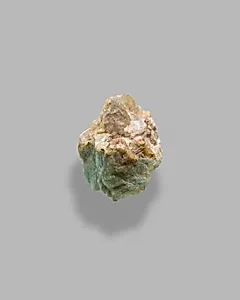
Lump of Green Feldspar
Unknown Artist
ca. 1153–1147 B.C.
Medium
Green feldspar
Dimensions
L. 1.5 cm (9/16 in.)
Classification
Fragment, Feldspar
Period
New Kingdom, Ramesside
Department
Egyptian Art
Museum
Metropolitan Museum of Art, New York, NY
Credit
Purchase, Edward S. Harkness Gift, 1926
Accession Number
26.7.1060
Rights
Public Domain
Art Historical Context
Nestled in the Metropolitan Museum of Art's Egyptian Art collection, this unassuming *Lump of Green Feld* dates to around 1153–1147 B.C., during the New Kingdom's Ramesside period and Dynasty 20. This, marked by pharaohs like Ramesses, was a time of monumental temple-building and resilient cultural traditions amid foreign threats. Though tiny—measuring just 1.5 cm long—this raw specimen offers a glimpse into the everyday materials that fueled Egypt's masterful craftsmanship. Crafted from vibrant green feldspar, a-precious stone prized in ancient Egypt for its lush color evoking fertile Nile valleys and rebirth, the lump likely served as raw material for jewelry, amulets, or inlays. Egyptians revered green hues in lapidary arts, polishing stones like this into scarabs, beads, or protective talismans symbolizing eternity and renewal. Its acquisition in 1926 via the Edward S. Harkness Gift underscores early 20th-century passion for unearthing Egypt's hidden treasures. While not a finished masterpiece, this modest piece highlights the foundation of Egyptian artistry: the careful selection of natural gems that brought divine symbolism to life in the hands of skilled artisans. A quiet testament to an enduring civilization!