
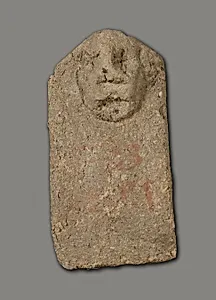
Magical Figure
Unknown Artist
ca. 1802–1550 B.C.
Medium
Clay (unfired)
Dimensions
H. 7.2 cm (2 13/16 in.); W. 3.6 cm (1 7/16 in.)
Classification
figure, magical, execration, tablet
Period
Late Middle Kingdom–Second Intermediate Period
Department
Egyptian Art
Museum
Metropolitan Museum of Art, New York, NY
Credit
Rogers Fund, 1933
Accession Number
33.1.72
Rights
Public Domain
Tags
Art Historical Context
This petite *Magical Figure*, crafted from unfired clay around 1802–1550 B.C., hails from Egypt's Late Middle Kingdom Second Intermediate Period (Dynasty 13– Intermediate Period). Standing just 7.2 cm tall, it exemplifies the era's turbulent times, when political fragmentation and foreign influences challenged traditional pharaonic power. Such figures were integral to ancient Egyptian magical practices, often serving as apotropaic talismans to ward off evil spirits, disease, or misfortune—personal protectors for everyday people amid uncertainty. The use of raw, unfired clay is particularly telling: unlike durable stone or fired ceramics, this medium allowed for ritual destruction, such as smashing the figure to "activate" its magic or neutralize threats. Its simple, abstracted face (highlighted in our tags) reflects the period's shift toward more folkloric, less monumental art, prioritizing function over grandeur. Discovered and acquired via the Rogers Fund in 1933, this artifact now resides in The Metropolitan Museum of Art's Egyptian Art collection, offering a glimpse into the intimate, supernatural beliefs that sustained ancient Egyptians through chaos.