
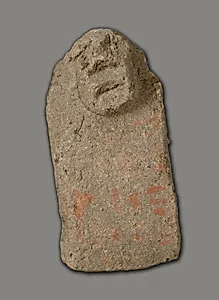
Magical Figure
Unknown Artist
ca. 1802–1550 B.C.
Medium
Clay (unfired)
Dimensions
H. 7.2 cm (2 13/16 in.); W. 3.5 cm (1 3/8 in.)
Classification
figure, magical, execration, tablet
Period
Late Middle Kingdom–Second Intermediate Period
Department
Egyptian Art
Museum
Metropolitan Museum of Art, New York, NY
Credit
Rogers Fund, 1933
Accession Number
33.1.94
Rights
Public Domain
Tags
Art Historical Context
Step into the enigmatic world of Egypt with this petite *Magical Figure*, crafted unfired clay around 1802–1550 B.C. during the Late Middle Kingdom to Intermediate Period (Dynasty13–Second Intermediate Period). Standing just 7.2 cm tall and 3.5 cm wide, this unassuming object from the Metropolitan Museum of Art's Egyptian Art collection exemplifies the era's blend of everyday materials and profound spiritual beliefs. The use of raw, unbaked clay was deliberate—such figures were often meant for temporary rituals, dissolving naturally over time, which added to their mystical potency. These small figurines, often featuring stylized faces, served as apotropaic talismans or protective charms. Placed in homes, tombs, or temples, they warded off evil spirits, ensured fertility, or invoked divine aid during a time of political instability, when central pharaonic power waned and local rulers vied for control. The anonymous artisan's simple modeling reflects the period's schematic style, prioritizing symbolic function over naturalistic detail, a hallmark of Middle Kingdom votive art. Acquired through the Rogers Fund in 1933, this artifact offers a glimpse into the intimate magic of ancient Egyptian life—reminding us how ordinary clay could embody extraordinary power.