
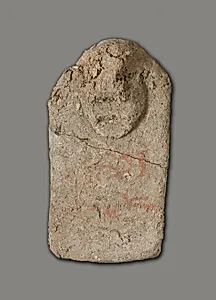
Magical Figure
Unknown Artist
ca. 1802–1550 B.C.
Medium
Clay (unfired)
Dimensions
H. 6.4 cm (2 1/2 in.); W. 3.4 cm (1 5/16 in.)
Classification
figure, magical, execration, tablet
Period
Late Middle Kingdom–Second Intermediate Period
Department
Egyptian Art
Museum
Metropolitan Museum of Art, New York, NY
Credit
Rogers Fund, 1933
Accession Number
33.1.116
Rights
Public Domain
Tags
Art Historical Context
This petite *Magical Figure*, crafted from unfired clay around 1802–1550 B.C., hails from Egypt's Late Middle Kingdom to Second Intermediate Period (Dynasty 13 to Intermediate Period). Standing just 6.4 cm tall and 3.4 cm wide, its modest size belies its profound cultural role. Unfired clay was a deliberate choice for such objects, often signaling their use in temporary rituals or burials, where they could be easily broken or dissolved as part of magical rites. In ancient Egyptian belief, these enigmatic figurines served protective or apotropaic functions, embodying spells to ward off evil spirits, enemies, or misfortune. The stylized face—highlighted in the object's tags—likely amplified its potency, channeling divine or supernatural forces. Produced during a turbulent era of political fragmentation, such figures reflect everyday reliance on magic amid instability, bridging elite temple practices with popular devotion. Acquired through the Rogers Fund in 1933 and now in the Metropolitan Museum of Art's Egyptian Art department, this artifact offers a window into the mystical undercurrents of ancient life, reminding us how art intertwined with the supernatural to safeguard the vulnerable.