
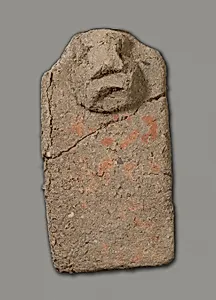
Magical Figure
Unknown Artist
ca. 1802–1550 B.C.
Medium
Clay (unfired)
Dimensions
H. 7 cm (2 3/4 in.); W. 3.7 cm (1 7/16 in.)
Classification
figure, magical, execration, tablet
Period
Late Middle Kingdom–Second Intermediate Period
Department
Egyptian Art
Museum
Metropolitan Museum of Art, New York, NY
Credit
Rogers Fund, 1933
Accession Number
33.1.123
Rights
Public Domain
Tags
Art Historical Context
### Magical Figure This petite clay figurine, standing just 7 cm tall, hails from Egypt's Late Middle Kingdom to Intermediate Period (ca. 1802–1550 B.C.), specifically Dynasty 13 to the Second Intermediate Period. Crafted from unfired clay—a medium often chosen for its accessibility and ritual impermanence—this "Magical Figure" likely served protective or apotropaic purposes in daily life or funerary practices. Its small scale (7 cm high by 3.7 cm wide) suggests it portable, perhaps worn as an amulet or placed in a household shrine to ward off evil or invoke supernatural aid. In ancient Egyptian culture, such figures embodied popular magic during a time of political fragmentation, blending elite temple rituals with folk beliefs. The unfired clay technique allowed quick production by non-elite artisans, emphasizing function over durability—these objects were often ritually "activated" through incantations before being buried or discarded. Featuring a stylized face (as noted in its tags), it reflects the era's shift toward expressive, less formalized human forms amid Hyksos influences and internal strife. Acquired through the Rogers Fund in 1933, this artifact at the Metropolitan Museum of Art offers a glimpse into everyday spirituality, highlighting how ordinary people harnessed magic for security in uncertain times. A charming survivor from over 3,500 years ago! (198 words)