
Mithuna (Loving Couple) (Study Collection)
Unknown Artist
8th century or earlier
Medium
Terracotta
Dimensions
Diam. 2 1/4 in. (5.7 cm)
Classification
Sculpture
Culture
India (Jammu & Kashmir, ancient kingdom of Kashmir)
Department
Asian Art
Museum
Metropolitan Museum of Art, New York, NY
Credit
Gift of Martin Lerner, 1982
Accession Number
1982.463.4
Rights
Public Domain
Tags
Art Historical Context
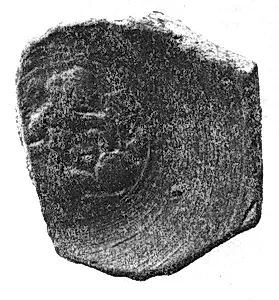
This delicate terracotta sculpture, titledMithuna (Loving Couple)*, hails from the ancient kingdom of Kashmir in northern India, dating to the 8th century or. Measuring just 2 1/4 inches in diameter, is a petite yet expressive relief, likely a molded clay plaque crafted through traditional terracotta techniques—hand-forming or pressing into molds, then firing for durability. Such small-scale works were common in South Asian art for personal devotion or architectural embellishment. In Kashmiri culture, *mithuna* figures depict embracing couples, symbolizing fertility, love, and the joyous *shringara* (erotic) sentiment central to Hindu and Buddhist iconography. Produced during a flourishing period of regional artistry influenced by local dynasties, this piece reflects Kashmir's early medieval aesthetic, blending graceful forms with symbolic intimacy. Terracotta's earthy medium made it accessible for everyday sacred objects, contrasting grander stone temple carvings. Now part of the Metropolitan Museum of Art's Asian Art Study Collection—gifted by Martin Lerner in 1982—this artwork offers a window into ancient India's celebration of human connection, inviting visitors to ponder the timeless allure of such tender expressions.